 الخط الساخن للعملاء على مدار 24 ساعة +86 15395181370



Mastering the Edge: Why Deburring is Essential for Precision Sheet Metal Fabrication
In modern metal fabrication, achieving perfection isn’t just about meeting the exact dimensions of a blueprint—it is about the quality of the finish. For sheet metal parts, perfection is defined by the state of its edges. Ensuring that every piece is thoroughly deburred and its edges rounded is a critical standard in high-quality manufacturing.
While manual grinding was once the norm, utilizing an automated deburring machine has become essential for competitive fabrication shops. Here is a comprehensive look at seven critical scenarios where deburring sheet metal parts is absolutely mandatory to maintain quality, safety, and operational efficiency.
1. Meeting Strict Design Specifications(Deburring Sheet Metal)
Many manufacturing orders come with precise customer demands regarding edge conditions. When a client’s design blueprints explicitly call out burr-free edges and specific edge-rounding radii, there is no room for compromise or negotiation.
Attempting to manual-finish these parts to meet strict tolerances wastes valuable time and risks inconsistency. Feeding the components through a specialized deburring machine allows fabricators to effortlessly achieve uniform edge rounding and fulfill exact engineering requirements every single time.
2. Preventing Workplace Injuries and Component Damage
By nature, burrs are incredibly sharp, rough, and hazardous. Fabricators, assembly line workers, and material handlers run a high risk of lacerations when managing untreated metal. While safety gloves offer a baseline of protection, they can easily fail or wear through when dealing with large, heavy burrs. In an era where workplace safety and liability are paramount, eliminating these hazards at the source is unavoidable.
Beyond human safety, sharp edges pose a severe threat to downstream components. During final assembly, an untreated edge can slice through internal wiring, compromise compressed air lines, or tear sensitive laboratory gloves used by end-users. Rounding the edges eliminates these liabilities entirely.
3. Mitigating Product Liability and Recall Risks
Burrs are structurally unstable. Over time, or under operational vibration, these small fragments of metal can spontaneously break away from the main component.
If a loose metallic burr falls into a finished product, it can bridge electrical connections, jam moving mechanisms, and cause catastrophic system failures. For manufacturers, the fallout from a malfunctioning product goes far beyond a simple repair; it introduces massive product liability risks and potentially expensive product recalls. Proactively deburring parts is a fraction of the cost of a single liability claim.
4. Ensuring Flawless Surface Coating Adherence
Whether parts undergo powder coating or cataphoretic dip coating (e-coating), the physics of electrostatic finishes require clean geometry. Sharp burrs act exactly like lightning rods in an electrostatic field, causing paint particles to over-concentrate on those sharp points and separate uncontrollably.
Conversely, liquid paints and powder coatings naturally pull away from sharp edges as they cure, creating an incredibly thin, fragile layer along the perimeter. When the coating fails to bridge or seal a sharp edge, the raw substrate is left exposed to atmospheric oxygen and moisture, leading to premature rust and corrosion.
[Sharp Edge]   --> Paint draws thin --> Exposure to Oxygen --> Rust & Corrosion
[Rounded Edge] --> Uniform Coating  --> Complete Protection --> Long Lifecycle
5. Safeguarding Galvanized Components from Corrosion
Hot-dip galvanizing or zinc plating presents unique challenges on sharp corners. While zinc coatings naturally build up heavily on edges, the crystalline structure of the zinc layer on a sharp 90-degree corner is inherently flawed and brittle under a microscope.
While the part may look pristine immediately after the zinc bath, the mechanical stresses of transport, handling, and on-site assembly cause the brittle zinc on sharp edges to chip away. In contrast, steel with slightly rounded edges allows for a highly uniform, durable zinc layer. This is why international building standards—such as DIN EN 1090 for structural steel—mandate that sheet metal edges must be rounded to a minimum radius of 2 mm to guarantee long-term corrosion resistance.
6. Protecting Expensive Downstream Machinery
Leaving burrs on sheet metal parts doesn’t just threaten the quality of the final product; it actively destroys your own manufacturing equipment.
As parts move through subsequent production stages, hard, sharp burrs press directly into precision machinery. This includes:
- Leveling rollers in precision roller levelers
- Bending dies and press brake tooling
- Turning and cutting tools used in CNC machining
When burrs press into these hardened surfaces or break loose inside a machine, they can gauge rollers and misalign precision systems, leading to costly downtime and equipment repairs.
7. Controlling Tool Wear and Overhead Costs
Even when burrs do not cause catastrophic machine damage, they act as an abrasive abrasive against your fabrication tooling. In press brake applications, feeding un-deburred metal substantially accelerates the wear and tear on expensive bending tools. By implementing a standardized deburring protocol early in the production cycle, shops can significantly extend tool lifespans and lower overall operational overhead.
In-House Machinery vs. Contract Deburring Services
Optimizing your sheet metal workflow does not strictly require an immediate capital investment in high-end machinery. Many fabricators successfully leverage specialized toll-processing or contract finishing companies to handle their deburring needs. Reliable finishing partners offer rapid turnarounds, deep application expertise, and handle the heavy lifting of logistics. However, when outsourcing, fabricators must carefully account for the risks of material contamination or transport damage during transit.
For operations looking to bring these capabilities in-house to guarantee quality control, partnering with established machinery manufacturers is key. Industry leaders like ADV Grinding provide advanced, globally deployed engineering solutions, with over 3,000 finishing, polishing, and deburring systems operating worldwide to ensure flawless surface execution.
اتصل بنا
Ready to optimize your sheet metal processing? اتصل بنا today to explore our range of machines and services designed to enhance quality and efficiency. Let us help you achieve the perfect finish for your metal products.
المزيد من المقالات
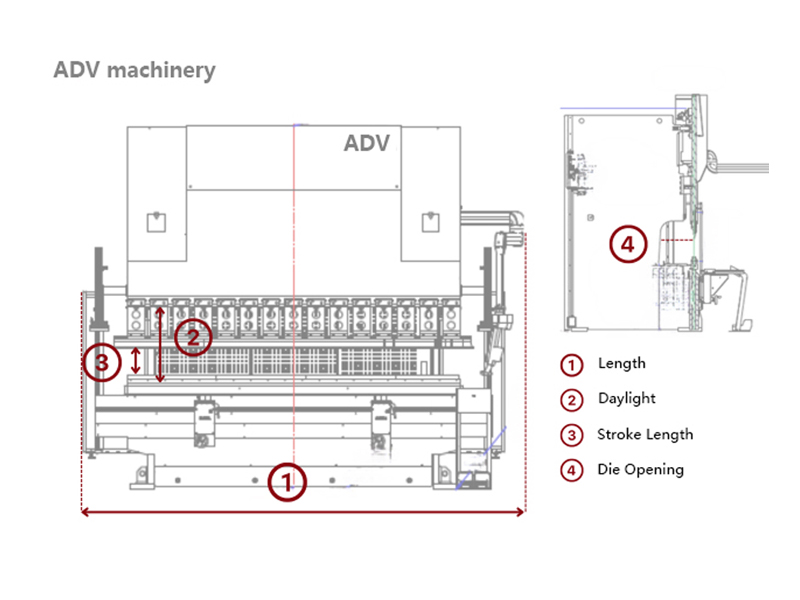
A press brake is a machine tool that bends and shapes sheet metal by applying controlled force between a punch (upper tool) and a die (lower tool). The workpiece sits on the bed; the ram (upper beam) descends with hundreds of tons of clamping pressure to form a precise bend angle.
- الأخبار, التكنولوجيا
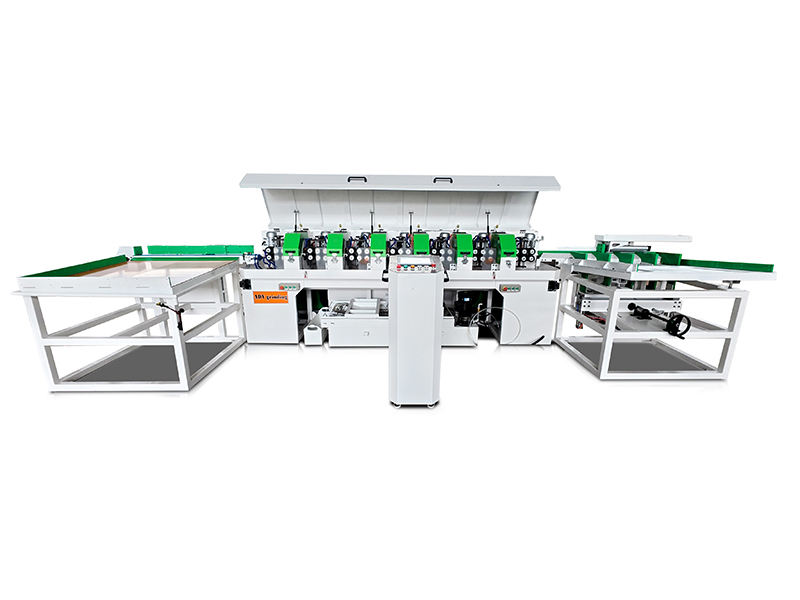
That’s exactly what happened recently when a US-based manufacturer took to Facebook to share their experience with our 108-6 Automatic Pipe Polishing Machine.
- الأخبار, التكنولوجيا
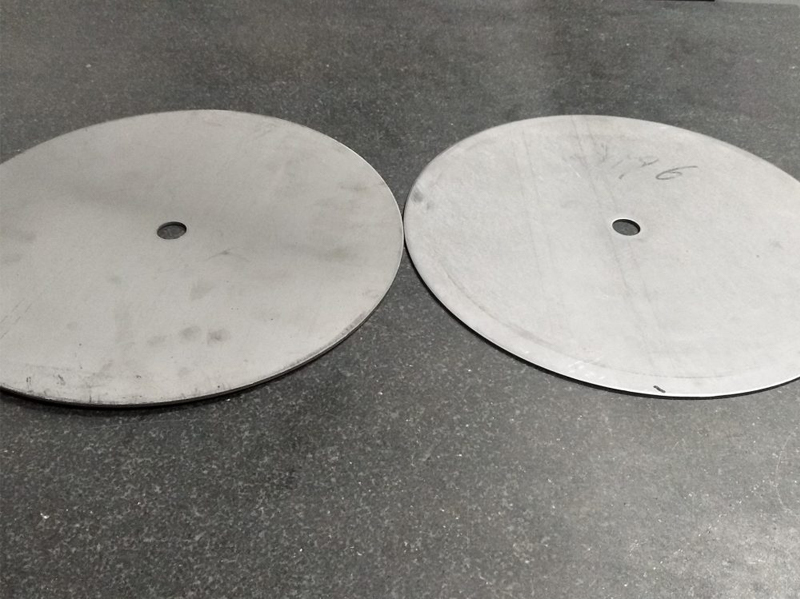
Learn why part leveling removes internal stresses better than straightening, how it prevents laser head crashes, and which machine (mechanical or hydraulic) fits your shop. Real applications for perforated parts, robotic welding, and B-grade materials.
- الأخبار, التكنولوجيا